WEST AFRICA CONJUNCTURE: Country Series Study – Benin, 2024
STUDY REPORT No.13 / August 2, 2024
Abstract
The presidency of Patrice Talon of the Republic of Benin continues to experience significant periods of political and economic turmoil, despite his administration being marked by several ambitious neoliberal economic reforms which are aimed at deepening that country’s neocolonial dependence on French imperialism. So far, his attempts to entrench his hegemony have been accompanied by controversial political maneuvers, allegations of authoritarianism, stifling of political opposition and undermining of democratic principles.
On the political front for instance, the introduction of high registration fees and stringent sponsorship requirements for political parties has led to accusations of political repression, with many opposition groups boycotting elections. Furthermore, the government’s crackdown on all forms of dissent, including the suppression of labour protests and the arrest of opposition leaders, has raised significant human rights concerns.
Talon’s administration has also reduced Benin to a client state of France and the United States. In the recent ECOWAS’ imposition of economic blockade and sanctions against the sovereign coup leaders of Niger, Burkina Faso and Mali, President Talon is one of the hawkish protagonists ready to send ECOWAS armed forces into Niamey to destabilise that sister country and restore the neocolonial rule of the ousted President Mohamed Bazoum of Niger. In continuance of that policy, President Talon accepted the expansion of French military bases in Benin and went on to recently instigate a major trade dispute with neighbouring Niger under the ruse that Niger has halted agricultural imports from Benin. The latter is over the Niger-Benin pipeline.
It is worthy of note that this 1,900km pipeline is critical for the transportation of Nigerien crude oil to international markets via Benin’s Port of Seme. The dispute arose when President Talon directly accused the Nigerien authorities over reneging on bilateral trade, to which the Niger’s Prime Minister – Ali Mahaman Lamine Zeine – responded to by citing security concerns over enhanced French military presence in Benin. This blockade has become a focal point of tension between the two sister-countries as it disrupted Niger’s international oil shipments; particularly to China, and loss of needed revenue to Niger.
This conjunctural study intends to critically examine the dual nature of Talon’s leadership, evaluate the impact of recent electoral reforms on political participation and democratic governance, the extent of human rights violations, including the repression of political opposition and suppression of free speech, while assessing both the balance and realignment of forces. It also seeks to provide insights into how these political and economic dynamics affect Benin’s future trajectory and role in the West African region.
Introduction
The Republic of Benin, a West African nation known for its vibrant culture and history, was once celebrated as a model of democratic progress in Africa, having transitioned peacefully from military rule to multi-party democracy in the early 1990s. Since then, the country’s political stability and democratic maturity were highlighted by regular, peaceful transitions of power. This legacy, however, has faced numerous challenges under President Talon’s administration. Elected in 2016, his tenure has been characterised by significant electoral reforms and malpractices, which have drawn substantial controversy as well as several domestic and international criticism, especially regarding democratic principles, human rights and for their impacts on political participation and democratic governance.
It would be recalled that one of the most controversial aspects of Talon’s electoral reforms has been the introduction of stringent electoral laws. These laws, which include high registration fees and rigorous sponsorship requirements for political parties, have effectively marginalised smaller and opposition parties. Moreover, Talon’s administration has pursued constitutional amendments that have raised concerns about the concentration of power. Key changes include extending the presidential term and introducing a single-round voting system for presidential elections. The 2019 legislative elections, for instance, saw the exclusion of all opposition parties, leaving only those allied with Talon in the race. This exclusionary approach has sparked significant protests from varied social movements, political parties and debate regarding the checks and balances essential for accountable governance and the inclusiveness of Benin’s democracy.
In addition to electoral reforms, Talon’s presidency has been marked by a crackdown on dissent, stifled political engagement and a deterioration of civil liberties. The government has been accused of using security forces to suppress protests, arrest opposition leaders, and silence critical voices. The media landscape has also been affected, with independent journalists and outlets facing harassment and legal challenges. This situation has created a climate of fear and undermined the democratic fabric of Benin.
The current study aims to achieve several key objectives which include (i) assessing the political, social and economic reforms introduced by the Talon government since 2019 and their impacts on the Beninois society; (ii) examination of the perennial issues of human right violations and abuses; and (iii) evaluating the recent Benin-Niger Pipeline Dispute and the implications for regional economic stability and international relations.
Location, Topography and History
Location and Size
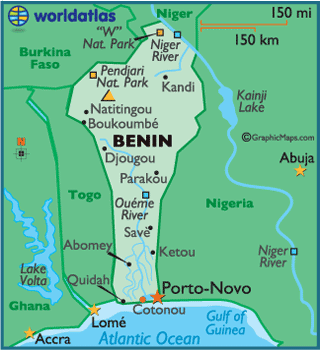
Benin is located in West Africa and extends from longitudes 0o 15’ E on the Togo-Benin border to 3o 50’ E along the border between Nigeria and Benin. Her latitudinal coordinates are 6o 14’ N and 120 25’ N. It has an area of 114,763 km2. It is bordered on the east by Nigeria; by Burkina Faso and Niger to the to the north-west, and the north-east, respectively; Togo to the west; and the Bight of Benin (Atlantic Ocean) to the south. With a land area of 114,763 km2 and a (2022) population of 13.35 million, Benin has a population density of 116 persons per km2. In terms of land use, agricultural lands represent 31.3%, forests 40.0%, and others, including built environment, 28.7%. The agricultural lands of the country comprise arable lands (22.9%), under permanent crops (3.5%) and areas under permanent pasture (4.9%). Porto-Novo is the official capital and Cotonou the economic capital.
Topography
The topography of Benin is characterised by undulating flat sandy coastal plain in the south, mangrove swamps speckled with numerous lakes and lagoons. High plateaus are found towards the north with longitudinal valleys running north to south, with elevation ranging between 20m and 200m. Along the northwest border is found the Atakora mountain range with the highest point Mont Sokbara at 658m above mean sea level. The country is well-drained and heavily inundated by several rivers, notably the Couflo, Zou and Oueme.
Benin’s varied topography has influenced its political and economic structures. The southern coastal region, with its access to the Gulf of Guinea, has been the economic and administrative centre of Benin. Owing to the flat undulating terrain these regions have traditionally been more agrarian and less developed. Key cities like Cotonou and Porto-Novo are located here, facilitating trade and commerce. The concentration of political power in this area has often led to regional disparities and tensions. The central plateaus and northern highlands feature fertile agricultural lands and have been less politically dominant.
Climate
The climate is tropical, hot, warm and humid in the south and semi-arid in the north. The diurnal range of temperature varies around 50C –70C, with a high of 310C and low of 240C. Variations in temperatures increase generally towards the north, passing through the various vegetation zones. Benin has two main rainy seasons, starting from April to July and July to September, with a dry cold spell separating the two seasons. The main dry harmattan season starts from December and ends in April. Annual rainfall averages around 1,360mm along the coastal strip tapering northwards. These seasonal variations, particularly the impact of the Harmattan wind and periodic droughts in the north, pose challenges for agriculture and food security.
Vegetation
Along the coast, the vegetation is characterised by mangrove swamps and remnants of mixture of rain and dry forests. Typically, the vegetation of the savanna is dotted by thorny scrubs, numerous baobab trees, and shrubs. The vegetation of Benin plays a significant role in shaping its political economy. The southern region’s fertile land supports cash crops like palm oil and cotton, critical to Benin’s economy. In the savanna is found fauna, such as elephants, lions, hippos and monkeys.
Demography
The population of Benin, which is growing at an annual rate of 3.29%, is estimated at 14,697,052 for 2024 of which 7,253,258 (49.35%) are males and 7,443,794 (50.65%) females; giving a sex ratio of 0.97 male to a female. Life expectancy is estimated at 63 years for 2024; of which that for males is 61.1 years and females 65 years. With a median age of 17.2 years[1], most of the country’s population (65%) is under the age of 25 years. Majority of her young population live in the urbanized[2] south of the country where the annual rate of change of urbanization is 3.74%. The north is however sparsely populated. The total dependency ratio is 84 and that of the youth 78.3. The corresponding ratio for the elderly is estimated at 5.7.
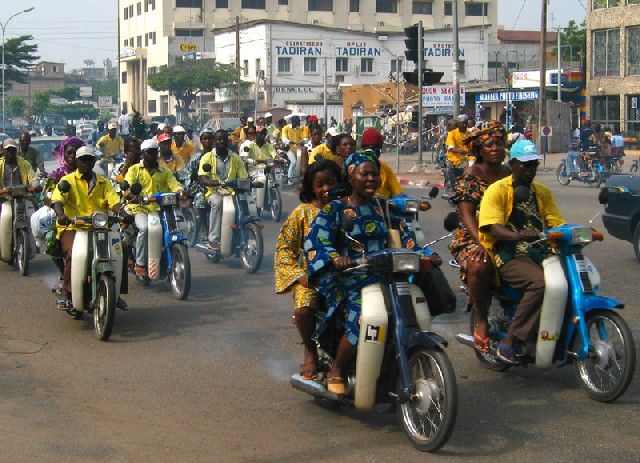
Table 1 presents the age and sex distribution of Benin in 2024.
Table 1: Age and Sex Distribution, 2024
| Age | Sex | Total | % | ||
| Male | Female | ||||
| 0 – 14 | 3,360,027 | 3,294,201 | 6,654,228 | 45.28 | |
| 15 – 64 | 3,727,040 | 3,951,786 | 7,678,826 | 52.25 | |
| 64 + | 166,191 | 197,807 | 363,998 | 2.47 | |
| Total | 7,253,258 | 7,443,794 | 14,697,052 | 100.00 | |
| % | 49.35 | 50.65 | 100.00 | ||
There is no doubt that Benin’s demographic composition influences its political landscape in multiple ways. For instance, the ethnic diversity of Benin, with groups like the Fon, Yoruba, Bariba, Ewe and others, necessitates inclusive political representation. Resulting in ethnic tensions and regional loyalties historically impacting the country’s political stability and elections.
History
The area now known as Benin was historically dominated by the Kingdom of Dahomey, a centralised and militaristic state that emerged in the early 17th century.[3] The Kingdom of Dahomey[4] (circa 1600-1900) was characterised by a highly structured political system. The “Ahosu,” or king, held absolute power and was considered semi-divine. The kingdom’s administration was organised into hierarchical layers with appointed officials overseeing various domains, including military, economic, and religious affairs. The Dahomey Amazons, an all-female military regiment, underscored the kingdom’s unique approach to governance and warfare.[5]
Historically, the political and economic structure of the Kingdom was closely tied to the Trans-Atlantic Slave Trade giving it the name ‘Slave Coast’, due to the large number of slaves who were shipped from its coast to the plantations of the New World during the Trans-Atlantic Slave Trade. This generated wealth and facilitated the kingdom’s expansion but also led to significant internal and external conflicts.
Following abolition of the slave trade, France officially established control over Dahomey in 1894, after a series of military campaigns.[6] It became a colonial possession and territory of France after its incorporation into French Community of West Africa and renamed French Dahomey. In 1960, Dahomey gained independence under the Francophonie neo-colonial arrangement.
Natural Resource Endowment
Benin’s natural endowment comprises significant sources of natural gas, crude oil and gold deposits, forests, extensive arable lands, numerous rivers, other water bodies, including the Atlantic Ocean and her youthful population. Her natural gas and crude oil deposits are located in the Sémé offshore fields with a reserve of 44 million barrels of oil. This field, which produces some 1.35 million barrels of crude oil annually, is now owned and run by a Swiss-based Pan Ocean Oil (PANOCO)[7] of the United States. Currently, Kosmos Energy LLC is also exploring for crude oil and gas. The country’s human labour power is concentrated largely in agriculture (70%) and textile/garment manufacturing (30%). Over a million of Beninese children are hired to work on family farms, construction sites, small businesses, and markets in addition to migrant farmers from Burkina Faso.
Agriculture
Agriculture is the mainstay of some 70% of the country and has some 36% of households solely relying on crop production. Agriculture contributes 35% of Benin’s GDP and 80% of export income. The main commodities produced for exchange are cotton and cashew nuts. The cotton production and industry are concentrated in the cotton belt of the north and central Benin, from which the country exports some 530,000 tons annually. The upstream cotton cultivation is carried out by some two million small-scale farmers, who after harvesting sold their products to ginning companies.
Owing to the country’s over-reliance on cotton and high dependence on agriculture, land as an important productive force has become scarce and severely degraded, owing to competition over the available arable land. A direct effect of this phenomenon is increasingly observed in the north, where sharecropping, leasing and selling of lands have become prominent. To formalise land ownership “Loi Portant Code Foncier et Domanial en Republique du Benin” was enacted in 2013. This law reduced the power of the municipalities over land management and entrusted it (land management) into the hands of a National Agency of Domains and Lands. One consequential effect of the law and policy was the repudiation of women’s ownership of land which left increasing number of small female farmers becoming landless tenants.
Education and Labour Force
With no restructuring of the educational system inherited at independence, the current education system, despite the many reforms it undergone, continues to turn out clerical human labour based on the three Rs of reading, writing and arithmetic. Though, in recent times, the enrolment rates at basic and secondary schools’ levels have greatly increased to almost attaining universality, some gender, socioeconomic and regional disparities persist. Generally, the median expected years of schooling is around 10.8 years, with completion rates of 70% for girls and 77% for boys. The average years of schooling for both sexes is estimated at 4.4 years These indices explain why millions of Beninese children are involved in child labour – working on family farms, construction sites, small businesses, and markets[8].
Many related challenges also remain, which include inadequate trained teachers[9], paucity of school infrastructure, learning and educational materials. These constraints inhibit the expansion of the educational system to meet the needs of the country’s high rates of population growth.
The Economy
The effectiveness of economic policies in Benin under President Patrice Talon’s administration reveals mixed results in improving infrastructure, agriculture, and the business environment. Almost 85% of the labour force works in the informal sector. The Beninese economy is also grappling with external shock, due to the current closure of borders with Niger and the rise in gas prices, following reforms implemented by the President Tinubu Government in Nigeria, in May 2023.
While significant investments and number of economic initiatives have been undertaken in these areas, the country continues to face substantial challenges, in achieving sustainable development and economic growth. The economy is still highly dependent on the export of unprocessed cotton and cashew nuts and the re-export of imported goods and commodities, such as rice, and used vehicles to Nigeria and Niger. Economically, Talon has implemented a series of reforms aimed at modernising Benin’s infrastructure, agriculture, and business environment. Despite these challenges, Benin’s economic reforms have not been without controversy, particularly in their implementation and the perceived benefits to the broader population. The ambitious infrastructure projects have sometimes been criticised for their high costs and the moderate risk of debt distress or burden they place on the nation.
Additionally, the agricultural reforms, while beneficial in some respects, have also faced hurdles due to inadequate infrastructure and market access.
Textiles and Manufacturing Subsectors
The outputs of the country’s downstream cotton production are channeled mostly along the production value chain to the ginning and yarn manufacturing companies where they are processed into lint, oil, cake and seed. Value-addition is however greater in the downstream textile industry, where players, such as Nike, VLISCO[10], Lindex, Carrefour, Decathlon, Tchibo, Inditex, H&M, Stanley Stella, Limlliam-Sonama and OBEPAB reap billions of United States dollars in terms of profits.
A significant recent development in the manufacturing, trade and oil subsectors is President Talon’s trade dispute with neighboring Niger over the Niger-Benin pipeline. This 1,900 km pipeline, crucial for transporting Nigerien oil to international markets, via Benin’s Port of Seme, has become a focal point of tension. The dispute began when President Talon accused Niger of halting agricultural imports, to which Niger’s Prime Minister responded by citing security concerns. This blockade has disrupted oil shipments to China, causing economic setbacks for both countries and testing China’s diplomatic influence in the region.
The international community has reacted critically to many of Talon’s economic, manufacturing and trade policies; particularly, those concerning human rights and democratic governance. Organisations- such as Freedom House, Human Rights Watch, and Reporters Without Borders- have documented the erosion of democratic norms and the suppression of freedoms in Benin. These criticisms have affected Benin’s international standing and raised concerns about its commitment to democratic principles.
Political Parties
The Benin State is a seemingly stable neo-colonial multi-party bourgeois democracy since the adoption of a new Constitution in the 1990s. Until the introduction of new party organisation and rules under electoral reforms in 2018, Benin was home to some 200 political parties out of which 31 were parliamentary political parties with another 20 minor extra parliamentary ones, altogether grouped into ten various blocs and alliances[11]. The outcome of the electoral reforms reduced the number of political parties from more than 200 to 10. Eventually, only 5 out of the 10 obtained clearance to participate in the 2023 transitional election under the new reforms. The reforms also introduced a new proportional system of representation in the unicameral National Assembly using an exclusive threshold[12] and the largest remainder method[13] of seat allocation. Twenty-four (24) of the legislative seats have also been reserved for women. The next legislative election is not due until 2026, to be followed in the same year with presidential elections.
It must be noted that the electoral reforms, lack of inclusiveness and the broader political climate under the hegemony of Talon, have had significant implications for public perception and the legitimacy of the government. In response to perceived unfair electoral practices, several opposition parties and civil society groups had to boycott both the 2018 and 2023 elections, further undermining the credibility of the electoral process and casting doubts on the legitimacy of election outcomes.
The current tensions faced by the government are a direct result of past elections conducted without the participation of significant segments of the political spectrum. They are also a reflection of the lack of broad-based support needed for effective governance. When citizens feel that elections are not free, fair, and inclusive, they are less likely to accept the results and more likely to question the legitimacy of the government; hence the increasing social and political tensions seen in Benin.
The major contending bourgeois political parties are the Republican Bloc (BR), Progressive Union for Renewal (UPR), Democrats (LD), Cowry Forces for an Emerging Benin, Movement of Committed Elites for the Emancipation of Benin, People’s Liberation Movement, and Democratic Union for a New Benin. The extra-parliamentary parties include Communist Party of Benin (PCB), Alliance of the Social Democratic Party (PSD), Action Front for Democratic Renewal (FARD), Movement for Citizens’ Commitment and Awakening (MERCI), Movement for the People’s Alternative, Movement for Solidarity Prosperity (MPS), and the Marxist-Leninist Communist Party of Benin, amongst others.
The Ruling Hegemony
Political hegemony is however exercised by the Progressive Union for Renewal (UPR), led by Bruno Ange-Marie Amoussou, and Republican Bloc under the leadership of Abdoulaye Bio Tchané. Though President Patrice Guillaume Athanase Talon, who is in the second and final term of his tenure, is not a card-bearing member of these two political parties, he enjoys their electoral support. Following the Constitutional Court’s disqualification of several contending parties, and the pull-out of others from taking part in the 2023 National Assembly elections, the alliance supporting President Talon came up tops, winning 81 out of the 109 seats available; thereby, securing 74.3% of majority seats.
There is no doubt that these political changes have streamlined the electoral process and reduced the costs and complexities associated with multiple rounds of voting. Yet, they have also ended up concentrating undue executive power in the hands of Talon and his allies, while diminishing the checks and balances so essential for a healthy democracy. Furthermore, they have weakened the accountability mechanisms that ensure elected officials remain responsive to the electorate.
The Political Opposition
The political opposition consists of the Democrats and the extra-parliamentary parties. The former, which is closely linked to Yayi Boni, former President, won 28 seats, representing 25.7%, at the legislative assembly elections held in January, 2023. It is worthy of note that one of the contentious aspects of Talon’s political reforms had been the introduction of high registration fees and stringent sponsorship requirements for political parties. These new electoral laws mandate that parties pay substantial fees to participate in elections and secure sponsorships from a significant portion of the electorate.
While these measures were ostensibly introduced to streamline the electoral process and ensure that only serious candidates contest elections, they have had the singular effect of marginalising smaller opposition parties and further exacerbated concerns about the fairness and inclusiveness of elections in Benin. Many of these parties, lacking the financial muscles or resources and organisational capacity to meet the new requirements, have found themselves excluded from the electoral process. This exclusion has significantly reduced political competition and participation, undermining the democratic principle of a level playing field for all political actors. Currently, the political situation remains extremely tense and unresolved, as a result.
In the 2019 legislative elections, for instance, the exclusion of most opposition parties from the electoral process led to only two parties allied with Talon participating in that election, due to the stringent rules. This effectively turned the elections into a one-sided affair, with little genuine competition or choice for the electorate. The 2019 situation still remained in 2023 and may be operative for future elections. This marginalisation of opposition parties has, unfortunately, undermined the legitimacy of the electoral process, and eroded public trust in democratic institutions and governance.
In the last six years, Talon and his allies have crackdown on dissent and significantly curtailed civil liberties of the political opposition. Security forces have been consistently used to suppress civil protests and silence opposition voices. Prominent opposition leaders and activists have many times faced arrests and detentions under questionable circumstances[14], and often without due process. This heavy-handed approach to dissent has created a climate of fear, discouraging citizens from participating in political activities and expressing their views freely. By and large, the suppression of dissent has further stifled political engagement and activism, weakening the democratic fabric of Benin.
The Beninese Left
A number of political parties are found on the left, from the social democratic parties to socialist and communist parties. At the centre left are the Democrats (LD), Social Democratic Party (PSD), and the Action Front for Renewal and Development (FARD-Alafia). The Union for Homeland & Labour (UPT) and the Communist Party of Benin (PCB) are on the left, and to the far-left is the Marxist-Leninist Communist Party of Benin (PCMLB). Each of these parties are discussed in the following sections below.
Les Démocrates (LD)
Les Démocrates is founded and led by Thomas Yayi Boni; a former president. Currently, it is the main opposition party represented in the country’s proportional representative National Assembly with some 28 seats.
Parti Social-Démocrate (PSD)
The Parti Social-Démocrate (PSD) is a centre-left social democratic party. It was founded in 1990 and led by Emmanuel Golou. The party is a member of the Socialist International. At present, it is an extra-parliamentary political party.
Front d’Action pour le Renouveai et le Développement (FARD-Alafia)
FARD-Alafia is a social democratic party founded in 1994 and led by Jerome Sacca Kina Guezere. It was one of the parties that supported the socialist government of Mathieu Kerekou.
Union pour la Patrie et le Travail (UPT)
The UPT is one of the left-wing political parties in Benin. Its ideology is socialism. It is founded in 1987 and led by Col. Martin Dohou Azonhiho; a leading ideologue of the People’s Revolutionary Party of Benin in the 1980s.
Parti Communiste du Bénin (PCB)
Even though the Communist Party of Benin (PCB) is a legal Marxist-Leninist Communist Party operating in Benin, it is currently an extra-parliamentary political party. It was founded in Benin by the Union of Communists of Dahomey in 1977 and led by Professor Pascal Fantodji. At present, it is under the leadership of Philippe Toyo Noudjènoumè; the First Secretary. Its political orientation is Hoxhaism15. It is also a member of CIPOML and has La Flamme as its main voice and organ.
During the Kerekou years, the PCB worked largely underground and emerged as a leading critic of that Marxist regime between 1974 and 1982, which it considered had caricatured Marxism-Leninism. During those years, it was vehemently opposed to such groups as Ligue Internationale de la Défense des Droits du Peuple, which it viewed as the main Leftist competitor. Other groups the PCB opposed included the Ligmangers;16 an ancillary organisation that provided support to the socialist government of Lt. Col. Mathieu Kerekou. There is no doubt that Communist Party of Benin (PCB), for all intents and purposes, is the most thriving leftist party in Benin and represents the highest organ of the Beninese Working Class. It is affiliated to several trade union organisations.
Parti Communiste Marxiste-Léniniste du Benin (PCMLB)
The Parti Communiste Marxiste-Léniniste du Benin (PCMLB) was founded and led by Magloire Yansunnu, who was expelled from the PCB in 1998 following what was described as an internal schism. Ideologically, it is currently on the far left and an extra-parliamentary political party.
Trade Unions and the Labour Movements
The country’s labour movement is organised around the textile and garment industry. So far, nearly three-quarters (or 75%) of the formal sector workers are unionised. There are currently five (5) main organisations around which the working class is organised. These are the Union Nationale des Syndicats des Travailleurs du Benin (UNSTB), Autonomous Trades Union Centre (CSA), Confédération Générale des Travailleurs du Benin (CGTB), Confédération Syndicale des Travailleurs du Benin (CSTB) and UJCB.
The UNSTB was founded in 1974 and was closely allied to the government of the ruling Marxist-Leninist People’s Revolutionary Party of Benin (PRPB). At the time, they were strong, viable and well organised until the shift to a multi-party democracy in the 1990s, when they became split into various ideological and professional unions. The UNSTB currently has a membership of 40,000 workers and affiliated to ITUC-Africa.
The CSA, on the other hand, was founded in 1990 as part of the country’s movement to multi-party democratic system. Others are the CGTB, CSTB and UJCB. The former is an affiliate of the International Trade Union Confederation (ITUC) while the latter two are left-leaning trade union organisations closely linked to the Communist Party of Benin (PCB).
Media Freedom and Civil Liberties
Media freedom has come under severe attack during Talon’s presidency. In most instances, independent journalists and media outlets have faced harassment, legal challenges, and financial pressures, limiting their ability to operate freely and provide unbiased information to the public. The suppression of media freedom has restricted the public’s access to independent and diverse sources of information, which is crucial for informed political participation and decision-making. By controlling the flow of information and stifling critical voices, the government has undermined the democratic process, prevented a free exchange of ideas and stifled public debate.
Several prominent cases highlight the government’s crackdown on dissent and its impact on civil liberties. One such case is that of Ignace Sossou, a journalist who was arrested in 2019 and sentenced to 18 months in prison for publishing tweets deemed critical of a public prosecutor. Sossou’s case drew widespread condemnation from press freedom advocates, who viewed his arrest as a blatant attempt to silence independent journalism. Another is the government’s decision to shut down several media outlets, including La Nouvelle Tribune and Soleil FM. These closures and crackdown on free expression deprived citizens of diverse sources of information and limited their ability to access independent news coverage.
Civil liberty abuses and the human rights situation in Benin have drawn significant international criticism, with organisations such as Amnesty International, Human Rights Watch, United Nations Human Rights Council and Reporters Without Borders documenting violations and calling for accountability. In its annual reports, the U.S. Department of State has highlighted concerns about political repression, arbitrary arrests, and restrictions on freedom of expression in Benin. In the United Nations Human Rights Council’s universal periodic review, several recommendations were made for the government to respect and protect human rights of political opponents, journalists, and civil society activists; uphold the rule of law; and ensure accountability for violations.
International Relations and Diplomatic Dynamics
Overview of Benin-Niger Trade Dispute
The trade dispute between Benin and Niger emerged against the backdrop of longstanding economic friction and regional geopolitical dynamics. In early 2024, President Patrice Talon of Benin publicly accused Niger of closing its border, effectively halting agricultural imports from Benin and disrupting trade flows between the two neighbouring countries. These accusations sparked tensions and soured bilateral relations, especially after Niger’s Prime Minister – Ali Mahaman Lamine Zeine – swiftly refuted Benin’s accusation, offering a counter-narrative that shifted the focus towards security concerns. According to Zeine, the presence of French military bases in Benin posed a security threat to Niger, especially after the oil pipelines from the Nigerien oilfields linking the Sémé port were sabotaged by an armed Nigerien rebel group known to be hosted by the Benin government. He contended that the French military base is involved in training terrorists who sought to destabilise Niger, thereby introducing an additional security dimension to the trade dispute.
Prime Minister Zeine’s assertion led to the closure of the Benin-Niger border and Benin’s shutting down of Niger’s crude oil export flows, affecting various sectors of the Nigerien economy. The trade dispute garnered attention both regionally and internationally. Regional organisations, such as the Economic Community of West African States (ECOWAS), monitored developments closely, given the extended questions of involvement of French military bases, some security cooperation, which added another layer of complexity to the dispute. Efforts to resolve the trade dispute have been ongoing, with stakeholders engaging in diplomatic dialogue and negotiations to address the underlying issues. One of such mediation efforts led to a meeting between General Abdourahamane Tchiani of Benin’s delegation, led by former presidents Thomas Boni Yayi and Nicephore Soglo, on 24th June, 2024. However, the resolution of the dispute may require addressing underlying grievances, clarifying security concerns, and finding common ground on trade and security cooperation.
Implications for Regional Economic Stability
The Benin-Niger trade dispute has led to the disruption of trade flows between Benin and Niger, affecting the movement of goods and commodities across borders. This disruption has negative implications for regional economic stability, as trade is a crucial driver of economic growth and development in West Africa. The closure of the border has had a significant impact on the agricultural sector, particularly in Benin, which relies heavily on agricultural exports to Niger. The inability to access Niger’s market has led to a decline in agricultural trade and income for farmers, exacerbating poverty and food insecurity in the region.
There is also an international angle of this dispute. The trade dispute has tested China’s diplomatic influence in the region, as the Niger-Benin pipeline, which transports crude oil to China, has been affected. There is an increasing likelihood that China’s response to the dispute will have implications for its bilateral relations with both Benin and Niger, as well as its broader strategic interests in Africa.
In the final analysis, the trade dispute also poses additional challenges to regional cooperation and integration in West Africa and undermines the unfinished African Agenda of creating a seamless territorial and economic space. It underscores the need for stronger mechanisms for conflict resolution and dispute settlement within regional organisations, such as the Economic Community of West African States (ECOWAS).
The Current Security Situation in Benin
The current security situation in Benin is dire, with regular incursions by armed groups and terrorist penetration into the north[15] of Benin, particularly in and around the Pendjari National and Arly Parks of Benin and Burkina Faso. Since 2018, GSIM (Group for the Support of Islam and Muslims) and ISGS (Islamic State in the Greater Sahel), which are jihadist groups, have established rear bases in the region. These bases are used as reliable centres for replenishing supply chain (including fuel and food), and a backyard for retreat as well as launch pads for fresh operations and new attacks in neighbouring Burkina Faso and Niger.
The main contributing factor is the vacuum created in the Kourou-Koualou Region due to the low level of public safety and security within the area. The absence of security and national government’s administrative presence has led to non-provision of public goods and services in these areas; the consequence of territorial dispute between Benin and Burkina Faso over the region. This provided safe ground for criminal groups to emerge, grow and thrive as alternate provider of law and safety to the local population.
A study carried out by the Institute for Security Studies showed that various categories of distinct local criminal groups predated the recent jihadist terrorist attacks. These groups benefitted from illicit activities, such as cross-border fuel smuggling, local production and trafficking of Indian hemp[16], illegal hunting, and trafficking of small arms and light weapons (SALW). The study further revealed that the main modus operandi of these criminal groups included kidnapping for ransom. This creates a symbiotic relationship in which the jihadists provide protection to the criminal gangs, and the latter promoting a black economy from which crucial revenues are raised and laundered to finance the war.
Conclusion
President Patrice Talon’s tenure in Benin has been a complex interplay of ambitious neoliberal economic reforms and contentious political changes. While his administration may have made strides in modernising the country’s infrastructure and business environment, it has also faced significant criticism for undermining democratic processes and suppressing dissent. The repression of opposition leaders and the suppression of free speech have raised concerns about the state of democracy and civil liberties in the country. The cases of Sébastien Ajavon, Ignace Sossou, and others highlight the extent of human rights violations in Benin under President Patrice Talon’s administration.
In conclusion, as Benin approaches future elections in 2025 and 2026, the legacy of Talon’s reforms will play a crucial role in shaping the nation’s political and economic trajectory, as well as the navigation of the complex political and economic dynamics in Benin. This is essential for promoting regional stability and integrated development in West Africa. By pursuing policies that promote democratic governance, economic prosperity, and regional cooperation, Benin can strengthen its position as a key player in the West African region and contribute to a more stable and prosperous future for all. However, until the current political, social and economic issues facing the country are judiciously resolved, the country will continue to be restive and insecure. For the time being, there is no immediate revolutionary situation in sight.
LIST OF ABBREVIATIONS/ACRONYMS
| Abbreviation | Meaning | Remarks | |
| BR | Republican Bloc | ||
| CGTB | Confédération Générale des Travailleurs du Bénin | ||
| CIPOML | International Conference of Marxist Leninist Parties and Organisations | ||
| CSA | Centrale des Syndicats Autonomes | Autonomous Trades Union Centre | |
| CSTB | Confédération Syndicale des Travailleurs du Bénin | ||
| ECOWAS | Economic Community of West African States | Regional organisation | |
| FARD-Alafia | Front d’Action pour le Renouveau et le Développement | Action Front for Renewal and Development | |
| FM | Frequency Modulation | ||
| GDP | Gross Domestic Product | ||
| GSIM | Group for the Support of Islam and Muslims | Jihadist groups | |
| ISGS | Islamic State in the Greater Sahel | ||
| ITUC | International Trade Union Confederation | ||
| LD | Les Démocrates | ||
| MERCI | Movement for Citizens’ Commitment and Awakening Movement for the People’s Alternative | ||
| MPS | Movement for Solidarity Prosperity | ||
| OFRB | Organisation des Femmes Révolutionnaire du Bénin | The Ligmangers – Young revolutionaries; became defunct in 1990. | |
| OJRB | Organisation de la Jeunesse Révolutionnaire du Bénin | ||
| PAI | Parti Africain de l’Independance | a pro-Soviet faction | |
| PANOCO | Pan Ocean Oil Company | of the United States, Swiss-based | |
| PCB | Parti Communiste du Bénin | Communist Party of Benin, most thriving leftist party | |
| PCMLB | Parti Communiste Marxiste-Léniniste du Bénin | ||
| PRPB | Parti de la Révolution Populaire du Bénin | ||
| PSD | Parti Social-Démocrate | a centre-left social democratic party | |
| RB | La Renaissance du Bénin | ||
| SALW | Small Arms and Light Weapons | ||
| UJCB | Union de la Jeunesse Communiste du Bénin | ||
| UNSTB | Union Nationale des Syndicats des Travailleurs du Bénin | founded in 1974 | |
| UPR | Progressive Union for Renewal | ||
| UPT | Union pour la Patrie et le Travail | Union for Homeland and Labour | |
| U.S. | United States | United States of America | |
[1] The corresponding median ages for males and females are 16.6 years and 17.7 years, respectively. With Gross Reproduction Rate of 2.61 in 2024, Benin’s fertility rate per woman is 5.34 children.
[2] In 2024, the urban population is estimated at 50.1%.
[3] The Kingdom of Dahomey was a centralised and militaristic state established in the early 17th century, with its capital at Abomey. It was renowned for its advanced political organisation and military prowess.
[4] Dahomey engaged in extensive slave trading, which significantly impacted its economy and relations with European traders. This involvement in the Trans-Atlantic Slave Trade provided the kingdom with wealth and firearms but also led to significant social disruptions and conflicts with neighbouring regions.
[5] The Dahomey Amazons, an all-female military regiment, were a unique feature of the kingdom’s military system. These women warriors were highly trained and played a crucial role in Dahomey’s military campaigns, enhancing the kingdom’s fearsome reputation.
[6] The imposition of French colonial rule marked the end of the Kingdom of Dahomey and the beginning of significant political and social changes.
[7] The field was initially operated by Saga Petroleum Company of Norway.
[8] It is worth mentioning that Benin has always been a source, transit and destination country for forced labour, domestic servitude and sex trafficking within the West African Region.
[9] The lack of qualified teachers was the result of a 20-year closure of teacher training colleges, starting in the late 1980s.
[10] VLISCO is a multinational textile print company with different brands including Woodin, Hollandaise, GTP, Uniwax and has operated in Benin for over 150 years.
[11] Most of these were structurally weak and revolved around key individual politicians as opposed to policy platforms.
[12] The exclusive threshold is the minimum share of the valid votes cast which a political party must obtain during an election to become eligible for representation in the National Assembly.
[13] The Largest Remainder Method is based on either the Hare or Drool Method. It is used in allocating number of seats gained within a legislature by each political party after election. It involves determining by an integer the number of seats to be allotted between several political parties until some of them are left unallocated. The leftover seats are then assigned to political parties based on largest remainders obtained at the elections.
[14] One notable case is that of Sébastien Ajavon, a prominent businessman and political figure who was arrested in 2017 on charges of drug trafficking. Many viewed Ajavon’s arrests as politically motivated, aimed at neutralising a potential challenger to Talon’s presidency. Despite international pressure and calls for his release, Ajavon was convicted and sentenced to 20 years in prison. Human rights organisations, including Amnesty International and Human Rights Watch, condemned his trial as unfair and politically motivated, highlighting the government’s use of the judicial system to silence political opponents.
15 Hoxhaism is anti-revisionism and anti-social imperialism. It believes that nations do not have the right to decide and pursue Socialism through different routes. Dogmatically, Hoxhaists believe in only pure-bred Marxism-Leninism which bring them in conflict with the principles of internationalism. Hoxhaists may, therefore, remain true to (i) distribution of land to the peasant and working class; (ii) upholding women’s rights; (iii) establish public and social infrastructure to strengthen education, health, road links, etc.; (iv) the right to bear arms; and (v) ensuring workers control of the means of production and workers’ democracy.
16 Ligmangers was a collection of youth on the Left who belonged to Parti Africain de l’independance (PAI); a pro-Soviet faction of Kerekou’s Parti de la Révolution Populaire du Benin (PRPB). They considered themselves as young revolutionaries during the so-called Benin’s “socialist revolution”. The Ligmangers consisted of OJRB (Organisation de la Jeunesse Révolutionnaire du Benin) and OFRB (Organisation des Femmes Révolutionnaire du Benin) and became defunct in 1990.
[15] This includes the W. National Park which astride the border regions of Benin, Niger and Burkina Faso.
[16] The Indian hemp is produced in the Atacora and Donga Departments of Benin and trafficked along the major West African drug route through Mali, Senegal to Morocco, ending eventually in Europe